In Simple Terms: Interest rates are the cost of borrowing money, or the reward for saving it. They’re expressed as a percentage of the principal over a specific time period.
Types of Interest Rates
Simple Interest
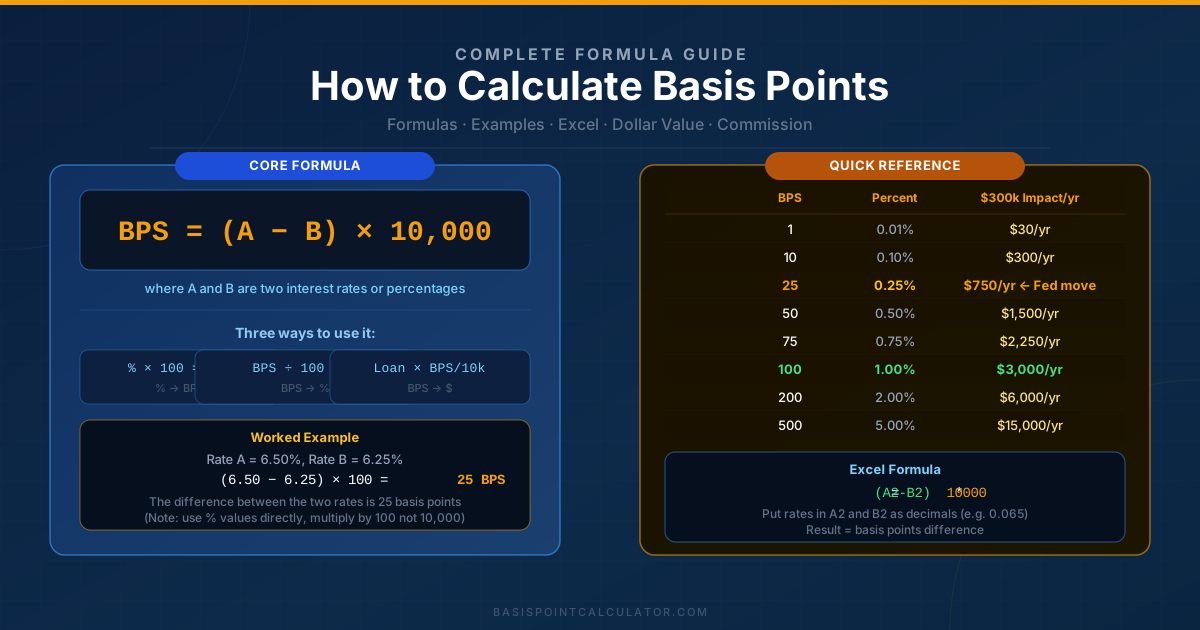
Simple interest is calculated only on the original principal amount. It’s straightforward but less common in modern finance. Formula: I = P × r × t
Compound Interest
Compound interest is calculated on both the principal and previously earned interest. This creates exponential growth over time, making it powerful for long-term savings but costly for debt.
The Power of Compounding — $10,000 invested at 7% annual return:
- After 5 years: $14,026
- After 10 years: $19,672
- After 30 years: $76,123
Key Interest Rate Terms
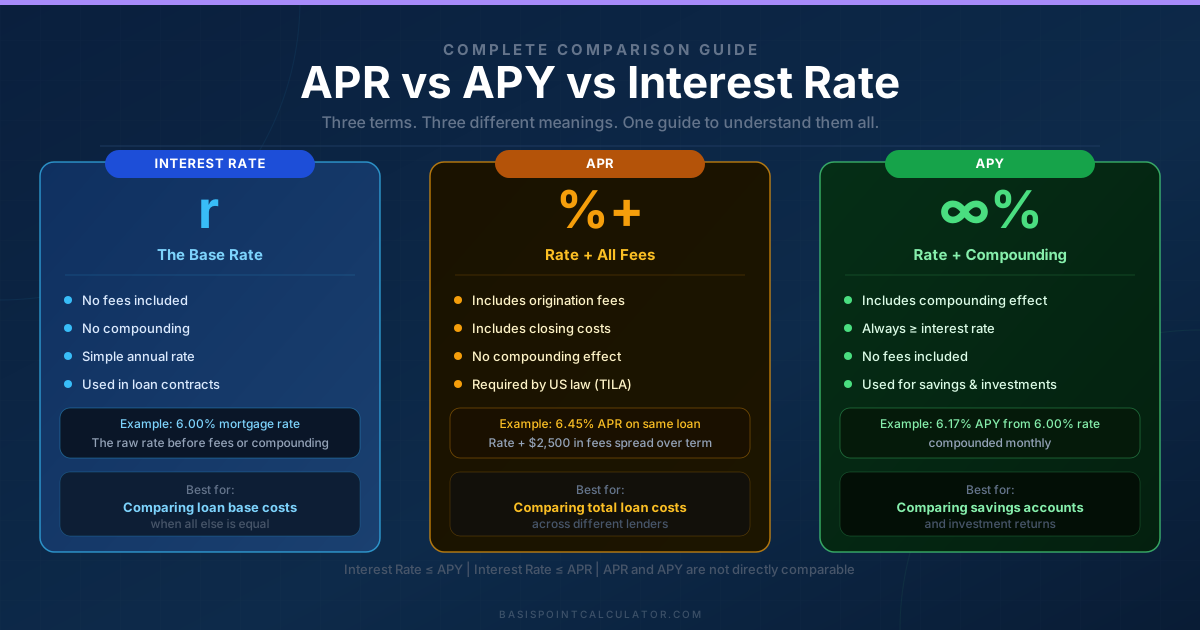
- APR (Annual Percentage Rate): The annual cost of borrowing including fees. Used for loans and credit cards.
- APY (Annual Percentage Yield): The effective annual return including compounding. Used for savings accounts.
- Prime Rate: The rate banks charge their best customers. Many loans are priced relative to prime.
- Federal Funds Rate: The rate banks charge each other overnight. Set by the Federal Reserve.
What Influences Interest Rates?
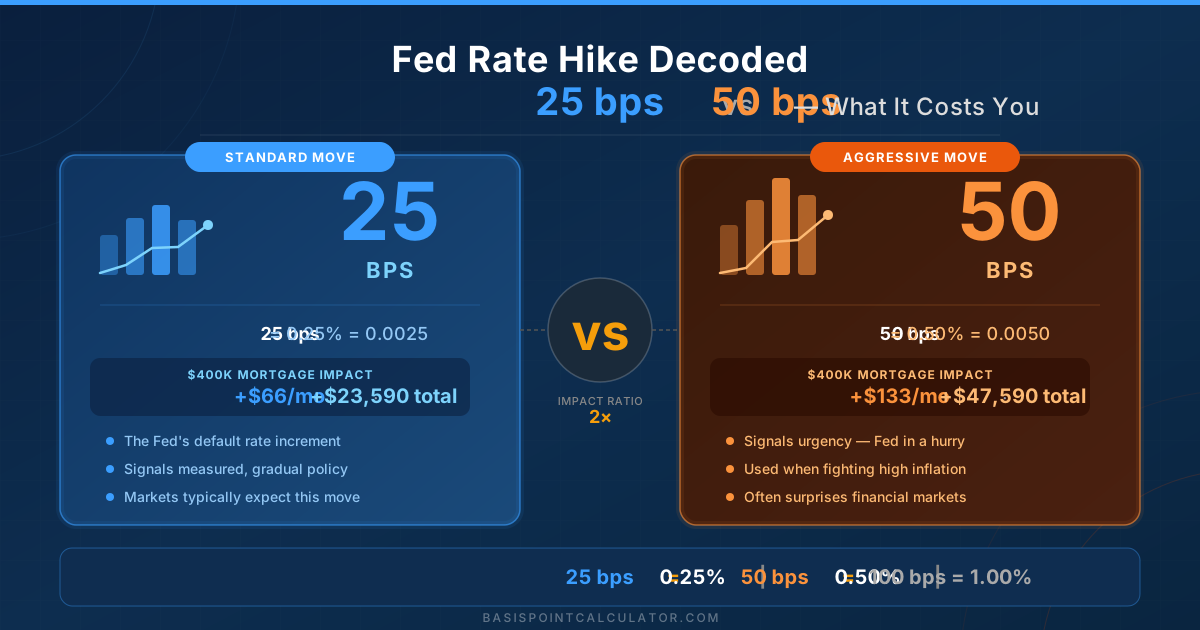
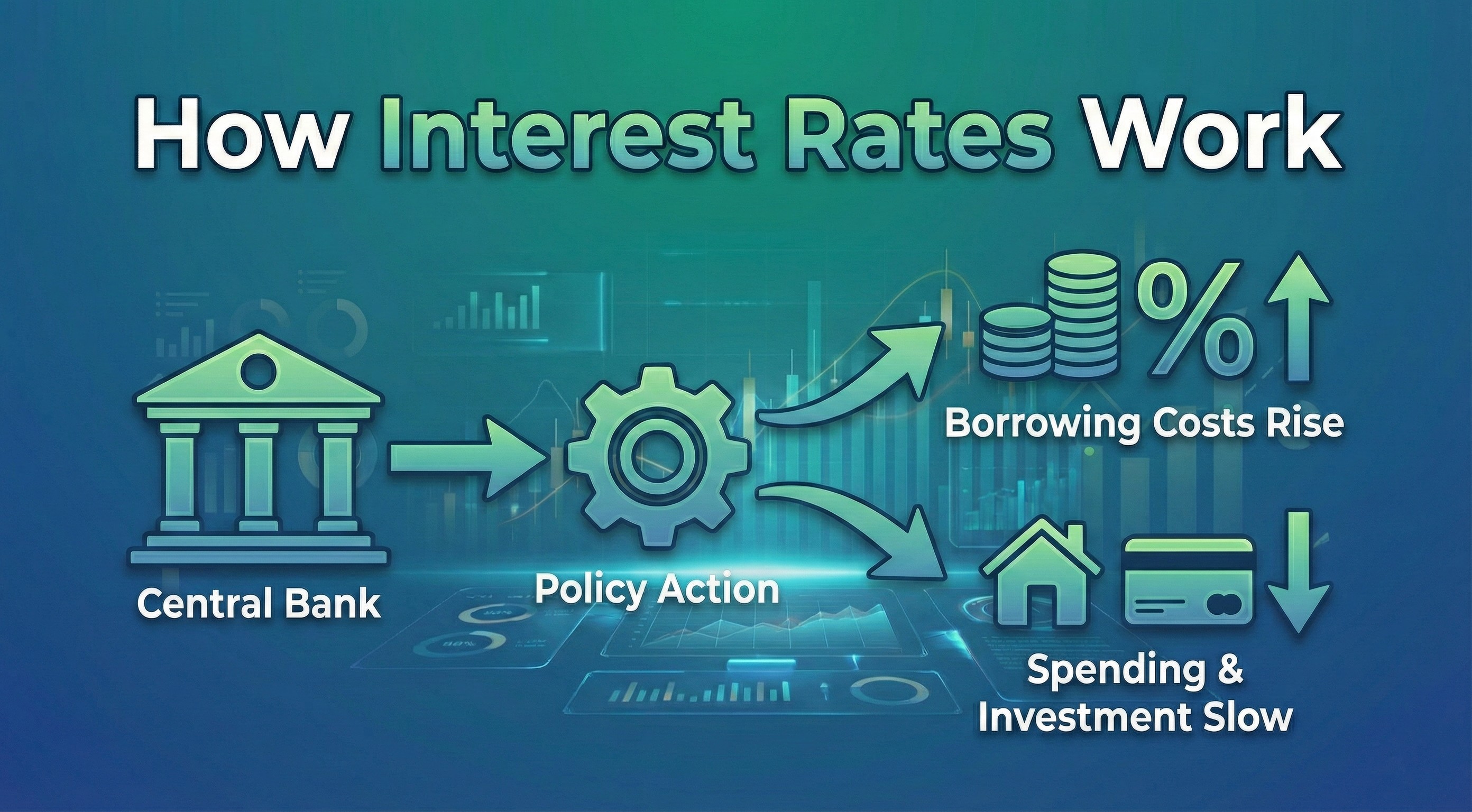
- Central Bank Policy: The Fed raises/lowers rates to control inflation and employment
- Inflation: Higher inflation typically leads to higher interest rates
- Economic Growth: Strong growth may push rates up; recessions push rates down
- Credit Risk: Higher risk borrowers pay higher rates
- Loan Term: Longer terms often (but not always) have higher rates
How Rates Affect You
When Rates Rise ↑
- ✓ Higher savings yields
- ✓ CDs and bonds pay more
- ✗ Mortgages cost more
- ✗ Credit card debt grows faster
When Rates Fall ↓
- ✓ Cheaper to borrow
- ✓ Refinancing opportunities
- ✗ Lower savings returns
- ✗ Retirees earn less on fixed income